


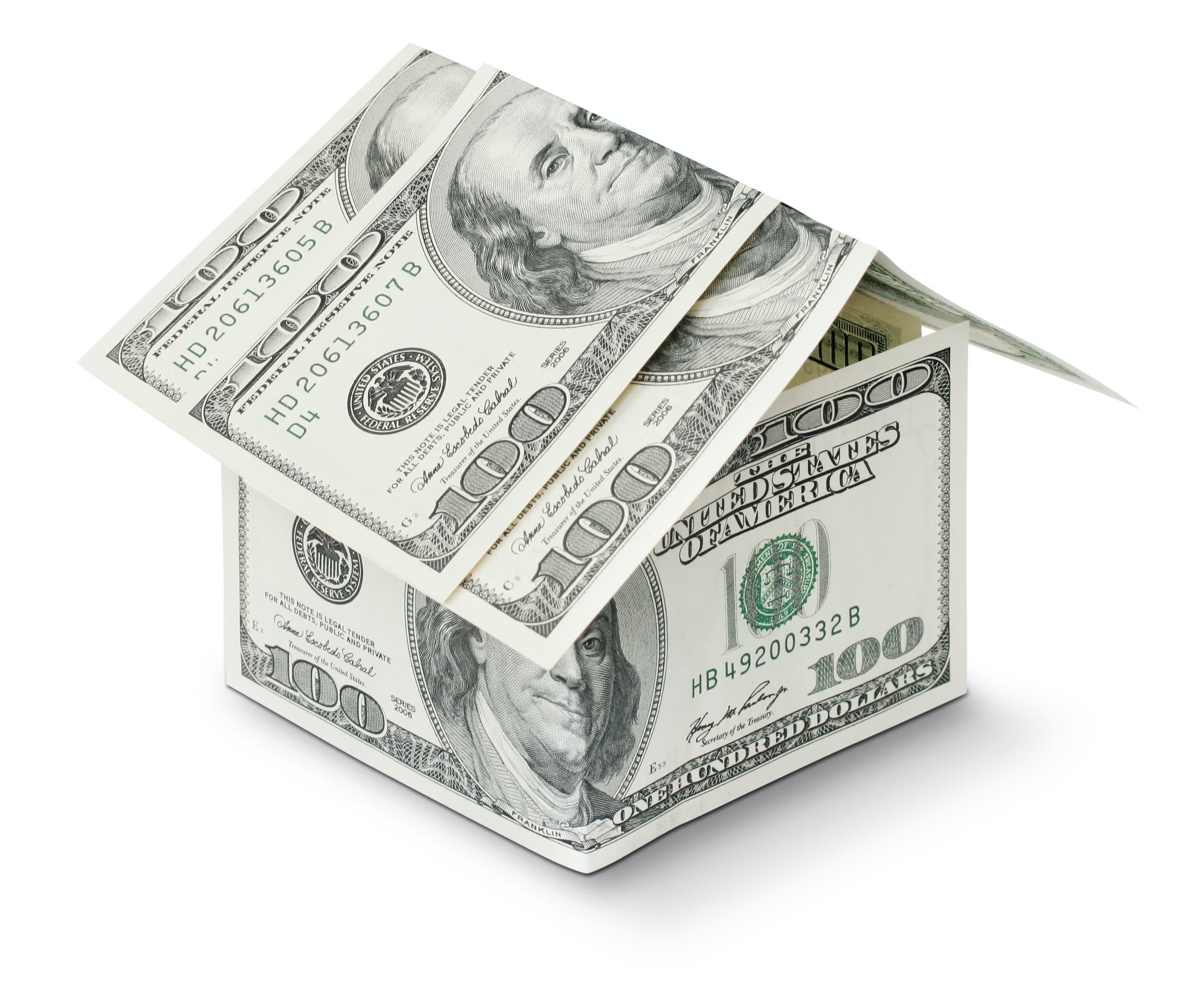

A home can be one of the biggest investments you make in your life. There are continuous ongoing expenses with home ownership. There are obvious home costs such as the mortgage and upkeep, but you don't want to be surprised to find the extra costs of owning a home. It can be much more than you are prepared for. So make sure you know what all the payments will be, to keep the home up to date.
Property Taxes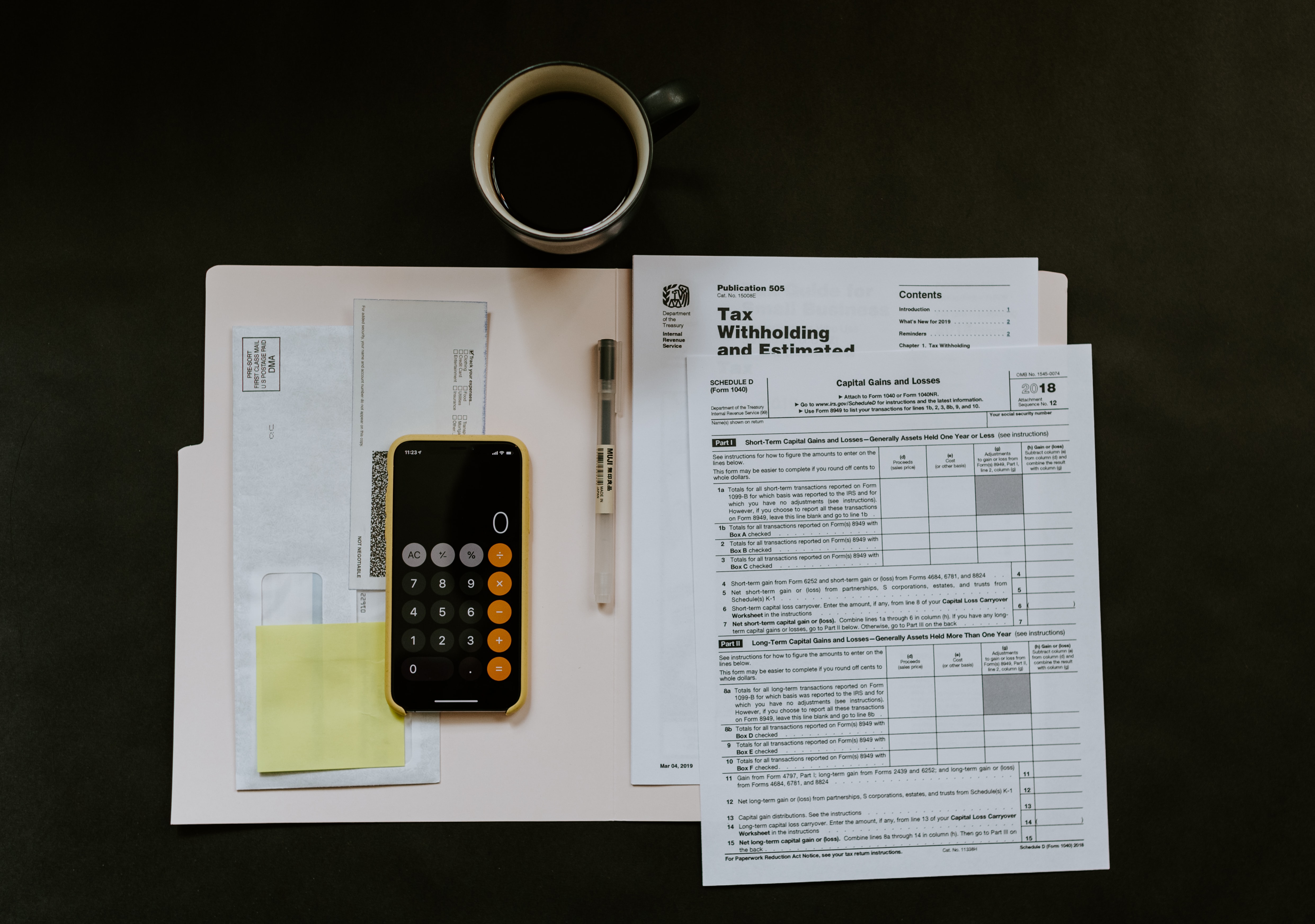
You will have to take into account the property taxes on the home. These are taxes paid to the county or local tax authorities. Virginia has an average tax rate of .75% which is below the national average of .99%. In Virginia property taxes are due twice a year, in the Summer and in the Winter. The best part about property taxes, is they are tax deductible!
Homeowners Insurance
You could potentially have to pay both homeowners insurance and mortgage insurance. Homeowners insurance can cover a wide range of premiums, so it is important for you to know what will be best for you.
Maintenance
This includes maintenance inside and outside the home. Routine maintenance includes mowing, cleaning, landscaping, pest control, gutter cleaning, filter replacements, etc. All of these smaller tasks will add up fast, and it will be worse if you do not tend to these tasks monthly. It will also be helpful to make a note of what you could do yourself safely and efficiently, to potentially save yourself some money.
Maintenance is different from repairs. Repairs typically tend to fall under natural disasters or failure of a system. It is important to note what your insurance will cover for the home. If it is termites or a major issue they may not cover it, and it can cost you significant money.
Appearance Upkeep
One of the glories of owning a home is doing any changes you would like to the home. That includes renovations, add-ons, paint, etc. To be able to enjoy that glory, you have to have some money on the side. This part of owning a home is definitely a luxury. This is not a requirement of keeping the home afloat.
HOA Fees - if qualified
HOA fees are not for every home. You’ll only have to pay these fees if you live in a Homes Owners Association. Each HOA’s requirements are different. You might have to pay monthly, quarterly, or yearly. The payments can range from $100-4,000+, it is so important if you decide to live within a HOA community, you know the rules and payment requirements. A HOA charges these fees for parks, snow removal, amenities, extra funds, etc. You can check with the association to find what fees are required and why, before you commit to the home.
Utilities
You can be accustomed to paying utilities if they have rented before. If utilities are not included in the rent you usually pay cable, internet, water, or sewage. You should be prepared to pay more utilities.
Roof and Repair 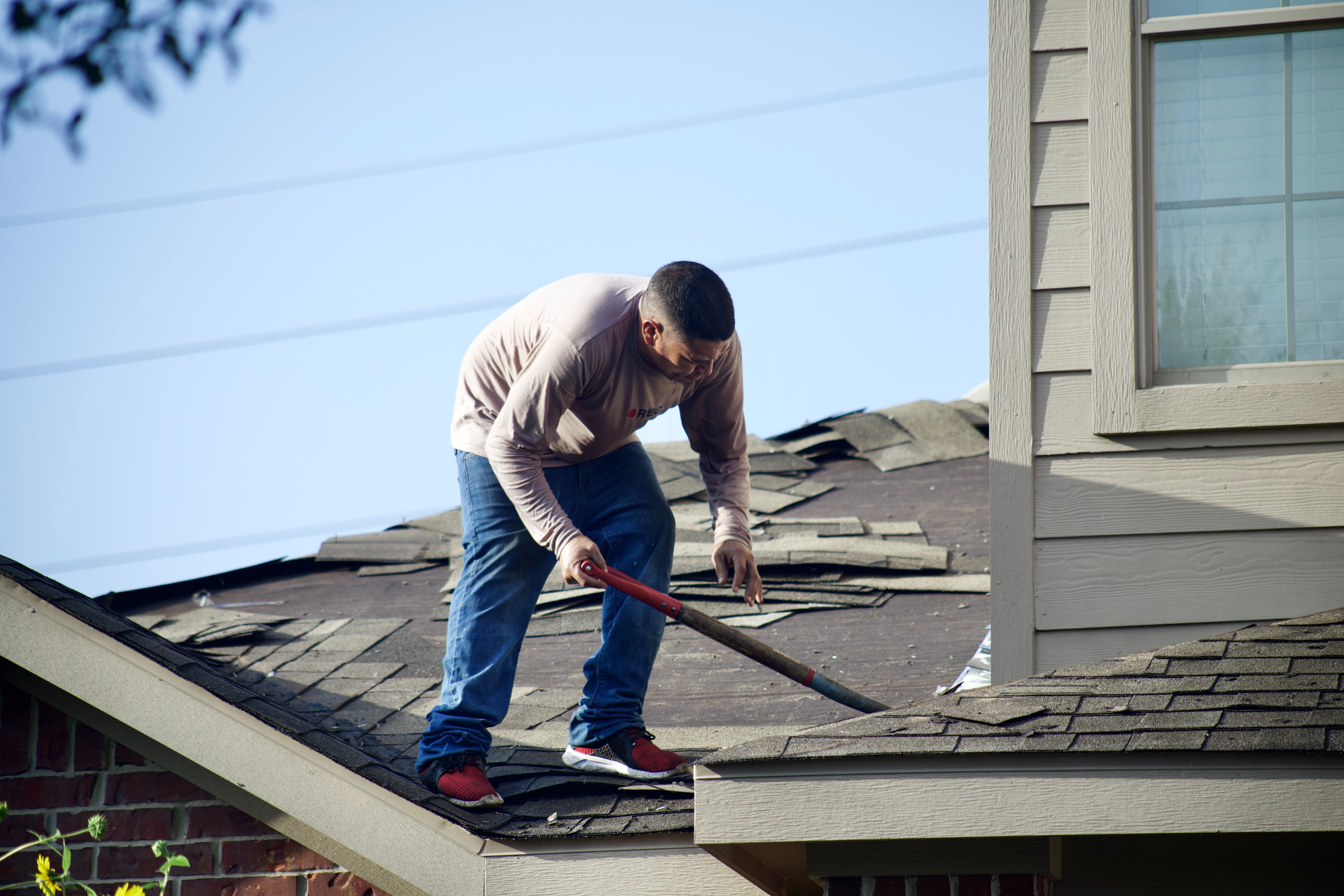
Keeping your roof up to date and in good shape can be one of the more expensive maintenance costs you’ll encounter with home-ownership. It is important to know what kind of roof you will have so you know the average life. Typically a roof should last 20-50 years depending on the material. If the seller knows when the last time it was replaced or fixed up, that is definitely good information to have.
How To Budget For The Costs
Creating a budget is crucial, once you have a grab on the full costs of owning the home. For certain costs you may be able to easily combine them in the budget such as; homeowners insurance, HOA fees, and the mortgage.
Figuring out monthly and yearly maintenance costs can be a little tricky. Some recommend you to take a percentage of your home's value each year to cover the costs. For example if you want to budget 1% of a $250,000 home.You would want to budget $2,500 per year. To make it easier, you can break it down into a monthly payment of $208. Keep it in savings until it is needed.
Budgeting for repairs can be even more challenging. If you get a home inspection before you purchase the home, that can lead you to a good start of what needs to be fixed or updated. It can provide you with a general idea of how much to budget for repairs and upgrades.
You may also build an emergency fund. That could include certain repairs in the budget, so you can already have that in an account. It has been shown that having a separate savings account for unexpected costs can be helpful.
It is important to know you will absolutely have extra costs. You'll want to find a home where you are comfortable with the mortgage and the extra costs but also put away extra money for emergencies. You'll want to feel ahead of the game and not drowning in bills. If you feel that you cannot get to that point, there are programs and classes to help you out!