


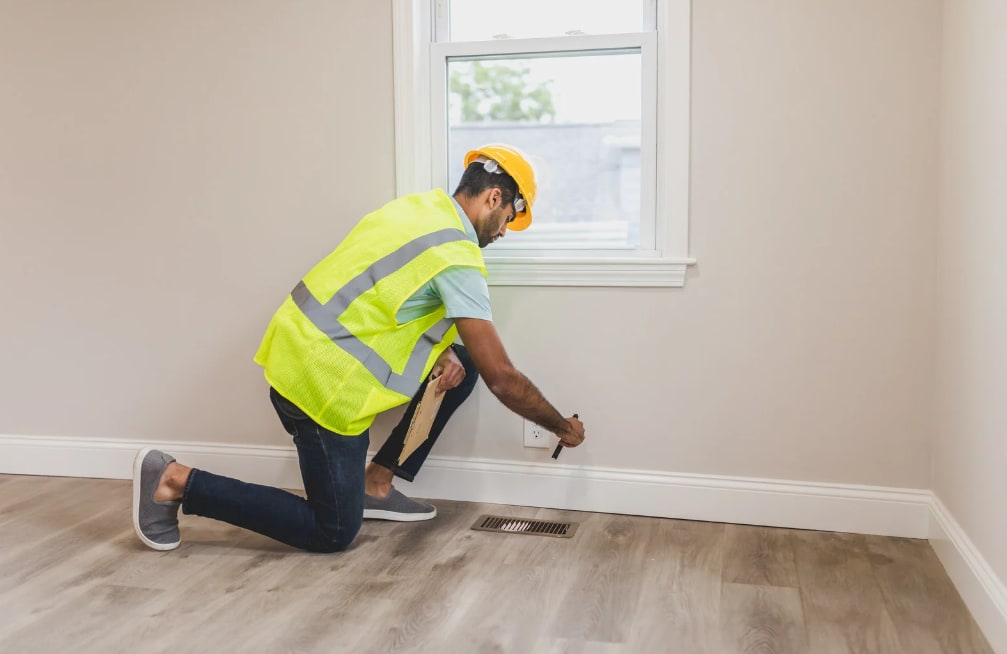

Let’s talk about one of the most important steps in the home buying process — the home inspection. Whether you're buying your first home or your fifth, this is not the part to skip or breeze through. A home inspection gives you a clear picture of what’s really going on with the house you’re about to invest in. It’s kind of like a check-up before you commit — and it can save you from some major headaches down the road.
🛠️ Why It Matters
At a glance, a home may seem perfect. But inspectors are trained to spot things the average eye (even a real estate-savvy one!) can miss. Think: roofing issues, hidden water damage, electrical quirks, or foundation problems. Catching these early can give you a chance to negotiate repairs, ask for seller credits, or — in rare cases — walk away if something major comes up.
Most importantly, a home inspection gives you peace of mind. Knowing the condition of your potential new home helps you make an informed decision and feel confident moving forward.
🔍 What the Inspector Actually Looks At
A standard home inspection covers a lot of ground. Here’s a quick rundown of what they usually evaluate:
Roof, attic, and insulation
HVAC system (heating and cooling)
Plumbing and water pressure
Electrical systems and outlets
Foundation, crawlspace, and visible structure
Windows, doors, and ventilation
Appliances, fixtures, and water heater
Drainage and exterior grading
Safety hazards like mold, radon, or faulty wiring
Even if everything looks fine, it's comforting to have a trained pro confirm that for you — or let you know what to keep an eye on.
📝 What Happens After the Inspection
Once the inspection is complete, you’ll get a detailed report — often with photos and clear notes. From there, you and I can go over the findings together. If there are major issues, we might ask the seller to make repairs or give you a credit at closing. If it’s mostly small stuff (which is super common), we’ll just note it for future maintenance.
The inspection isn’t a pass/fail situation. It’s more about giving you as much info as possible so you can move forward smartly.
💡 A Few Tips to Make It Smooth
If you can, attend the inspection — it’s a great way to learn about your future home.
Don’t be afraid to ask questions — inspectors usually love sharing what they know.
Remember: no home is perfect. Focus on the big-ticket items, not the cosmetic flaws.
Use the report to plan for future upgrades or maintenance even if the sale moves ahead without repairs.
Bottom line? A home inspection is a smart, necessary step in buying a home — and I’ll be right there with you to navigate what comes next. Whether the house is brand new or full of vintage charm, it’s always worth knowing what you’re stepping into.
Let me know if you want to chat more about how this works — or if you're house hunting and want to talk next steps!