


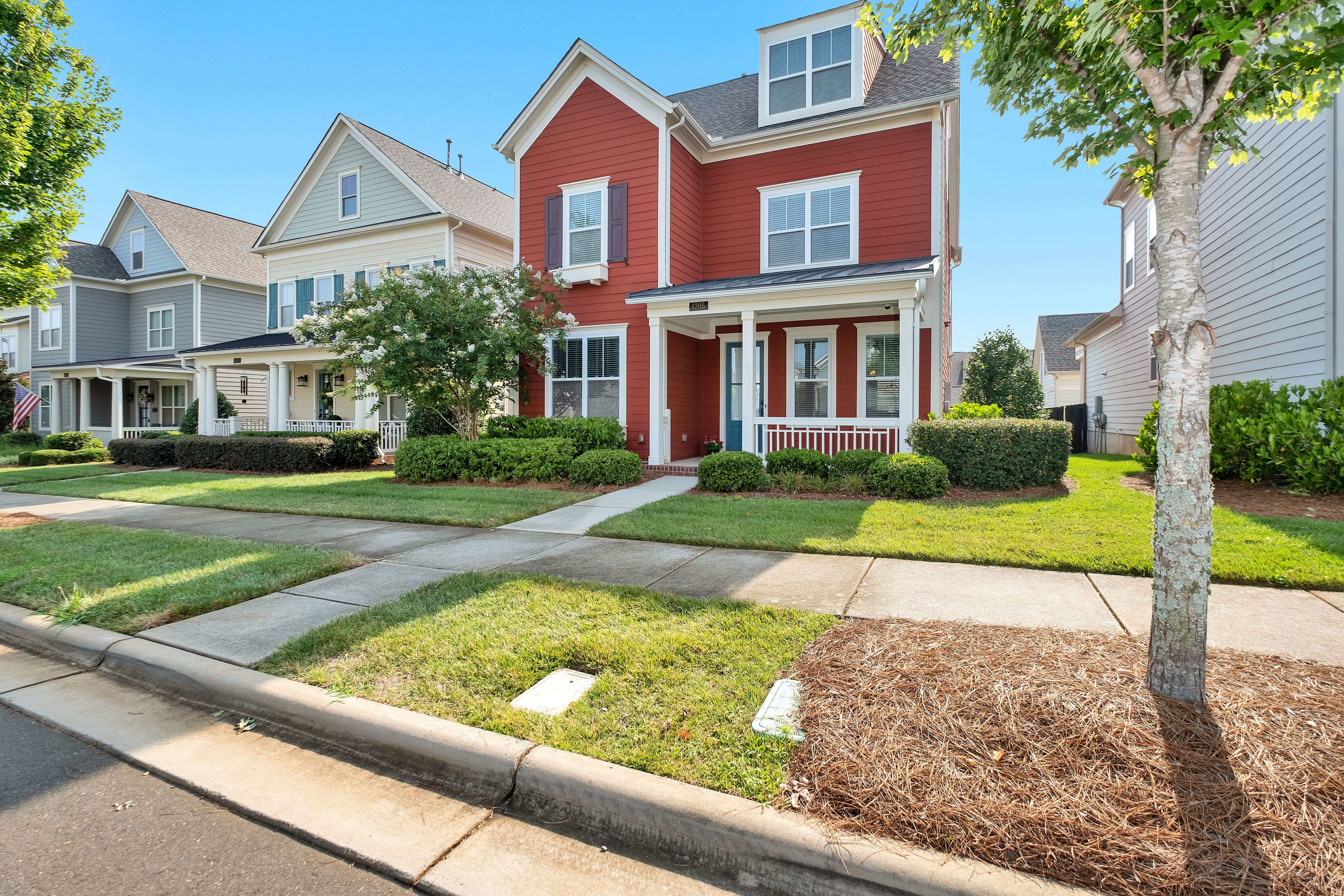

Buying or selling a home is one of the biggest financial (and emotional!) moves you’ll ever make. And whether you’re the one writing the offer or the one reviewing it, there are some truths that apply to both sides. Over the years, I’ve seen deals go smoothly when people keep these do’s and don’ts in mind—and I’ve also seen things go sideways when they’re ignored. So, let’s chat about some of the lessons I’ve learned that will help you no matter where you are in the process.
Do Ask the “Uncomfortable” Questions
I promise, you’re not being a bother by asking!
Buyers: Ask why the seller is moving, how long the home has been on the market, or if any big repairs were done recently. These questions can save you a lot of headache later.
Sellers: Be ready to ask your agent for honest feedback. Sometimes it’s not the price keeping buyers away—it’s the pet smell or the lighting. Better to know now than sit on the market too long.
Do Think About the Bigger Picture
It’s easy to get caught up in the details, but zooming out matters.
Buyers: Beyond the granite counters and shiny fixtures, think about resale value—location, floor plan, and neighborhood usually win over finishes.
Sellers: Highlight the features buyers will care about. Don’t just say “4 bedrooms”—mention the home office, the fenced yard, or the walkable coffee shop down the street.
Do Keep Flexibility in Mind
Flexibility can be the difference between a win and a missed opportunity.
Buyers: Be open to homes that need a little updating if the structure and location are solid. Cosmetic fixes are often cheaper than you think.
Sellers: Sometimes the strongest offer isn’t the highest dollar amount. Flexibility on closing costs, repair credits, or timing can help you secure the right buyer.
Don’t Judge Too Quickly
First impressions matter—but don’t let them fool you.
Buyers: That wallpaper? Gone with a weekend project. Don’t let cosmetic issues distract you from a home with good bones.
Sellers: On the flip side, don’t assume buyers can “see past” your style. Neutral paint and some decluttering go a long way in helping buyers imagine themselves living there.
Don’t Let Emotions Take Over
This is a big one. Real estate is emotional, but decisions should still be smart.
Buyers: Don’t get so attached that you overspend or skip inspections just to “win.” The right house will stick.
Sellers: Pricing your home too high because of memories can actually hurt you. Buyers see market value, not sentimental value.
Don’t Overlook the “Hidden” Costs
Money talk time—because no one likes surprise expenses.
Buyers: Factor in property taxes, insurance, and routine maintenance when budgeting, not just the mortgage payment.
Sellers: Remember you’ll likely cover closing costs, agent commissions, and moving expenses. Planning ahead keeps the transition less stressful.
Don’t Assume Negotiations Are Just About Price
There’s so much more to a contract than the number on the page.
Buyers: Asking for seller-paid closing costs might stretch your budget farther than simply lowering your offer.
Sellers: Offering small concessions (like covering a repair or credit) can get you to the closing table faster than holding out for every dollar.
Here’s the truth: there’s no “perfect” formula for buying or selling a home. But keeping these do’s and don’ts in mind can make the process smoother and way less stressful, no matter what side you’re on. At the end of the day, it’s about balancing emotions with smart decisions and remembering that both buyers and sellers want the same thing: a successful, stress-free closing.